
DEKIAITransmit! Electronic Instrument Club

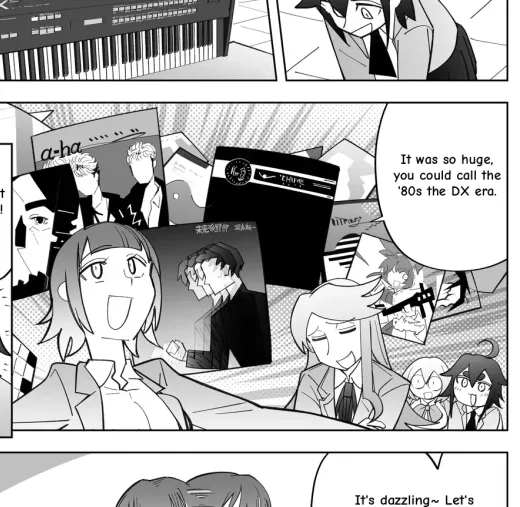
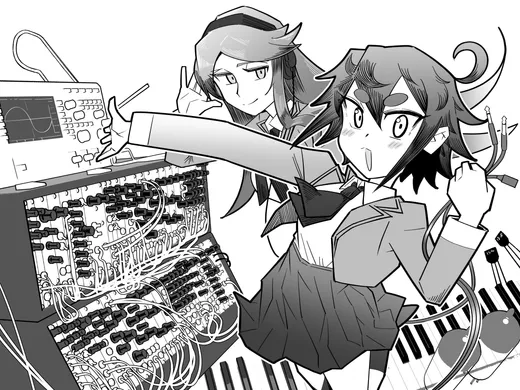
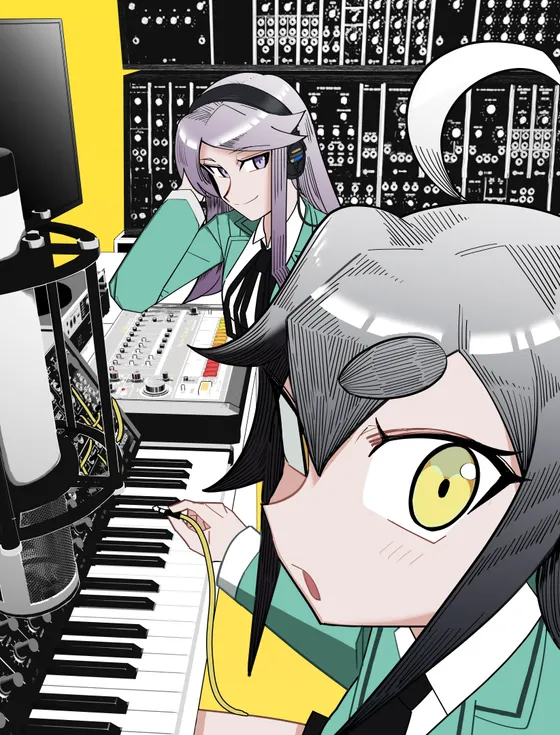
DEKIAI is the first story manga to put electronic musical instruments front and centre.
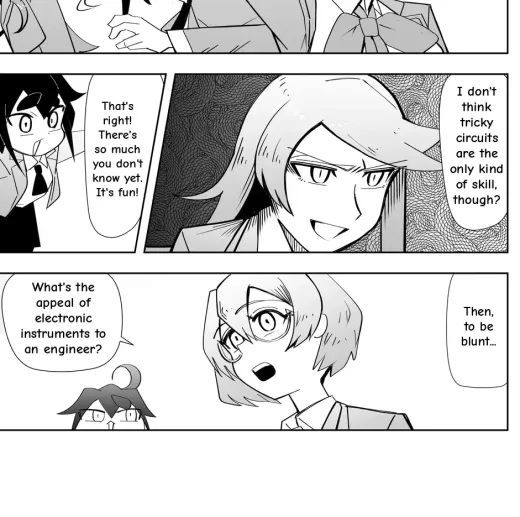
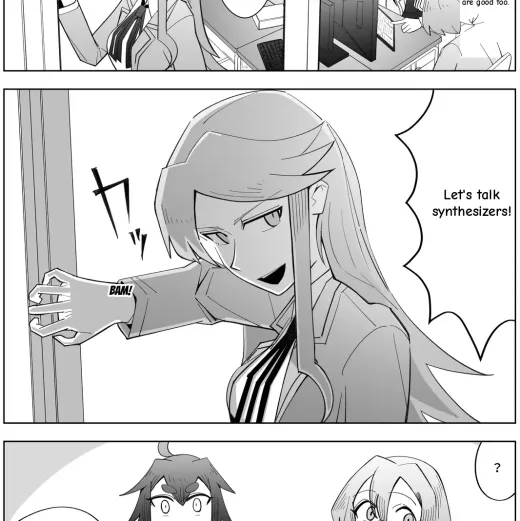
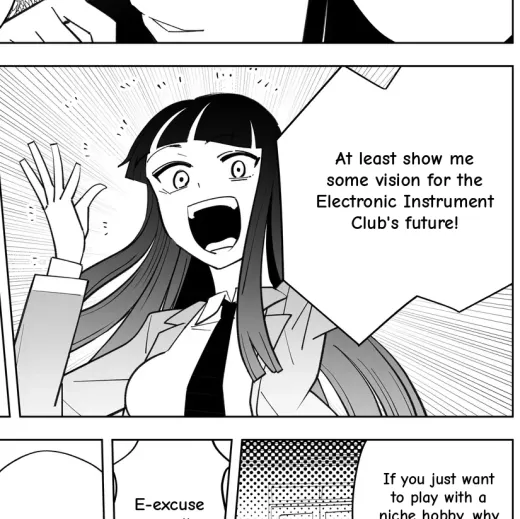
At her new high school, Kohaku learns how electronic instruments work and where they came from, while fighting to bring the Electronic Instrument Society back to life.

All 11 episodes, 176 pages, free to read online

About the work

Why DEKIAI?

POINT 01

A story about someone who doesn’t play

There have been plenty of manga about music, but almost all of them star someone who plays an instrument. Yet the world of music and instruments is held up by many other people too. DEKIAI is the story of a girl who can’t play, but is fascinated by electronic instruments.
POINT 02

Instruments drawn with care

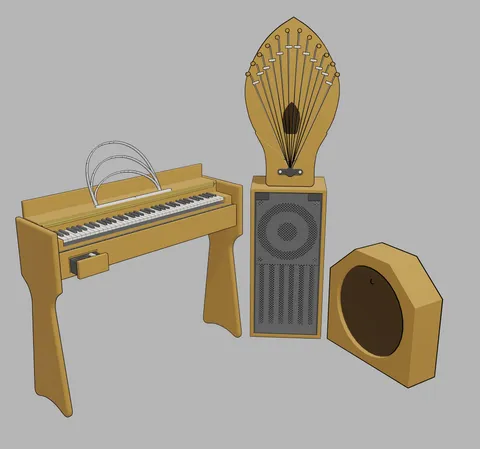
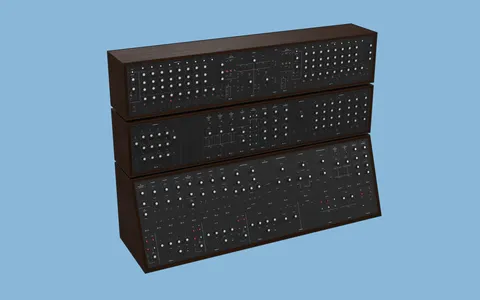
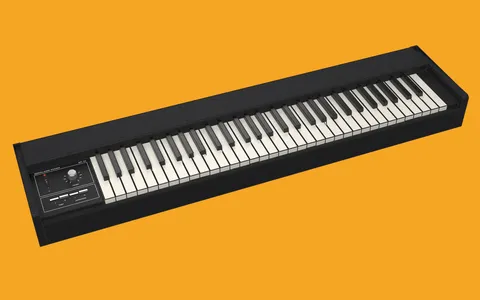
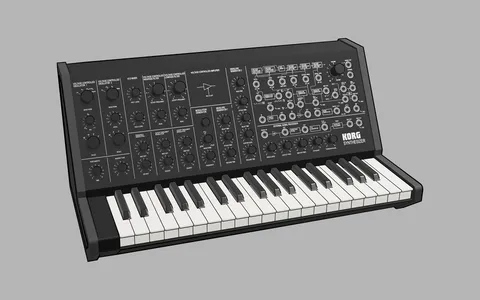
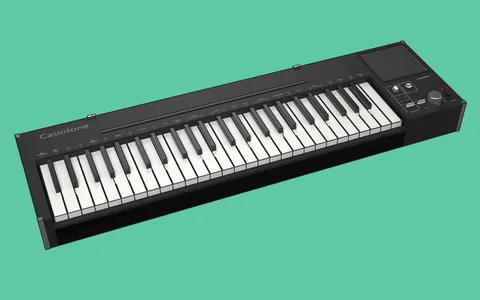
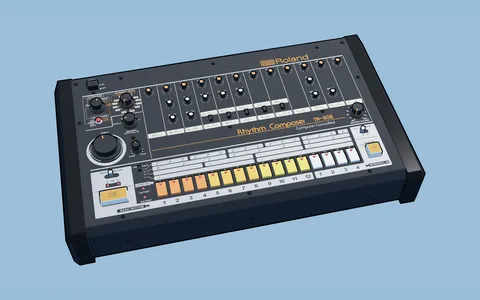
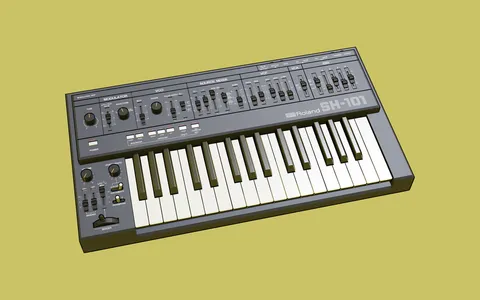
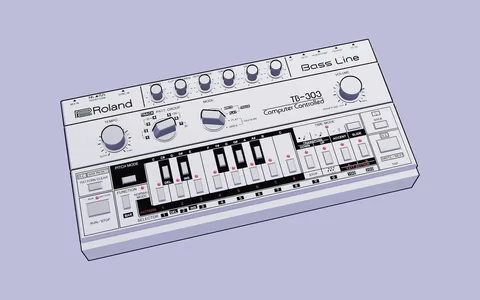
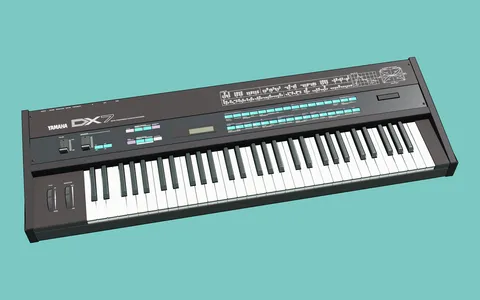
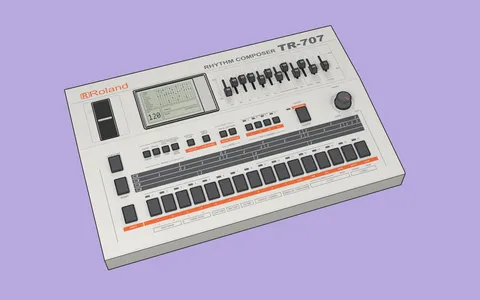
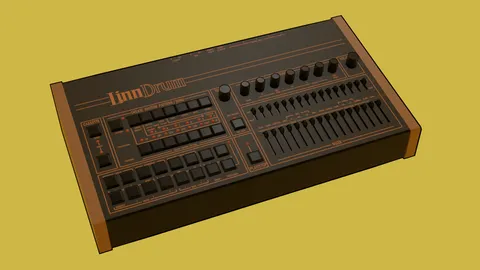
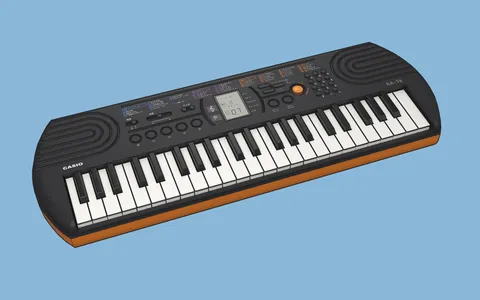
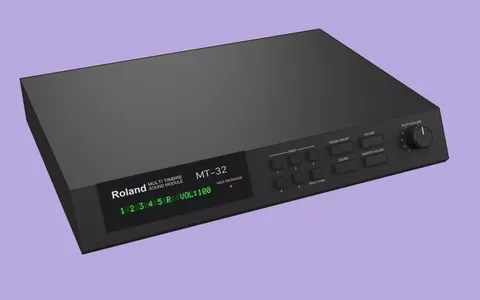
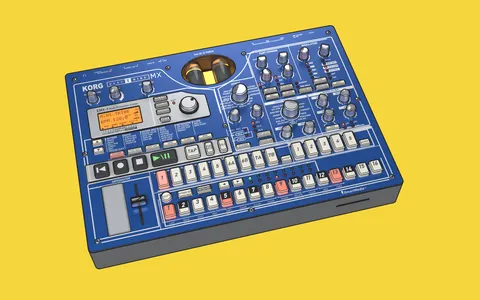
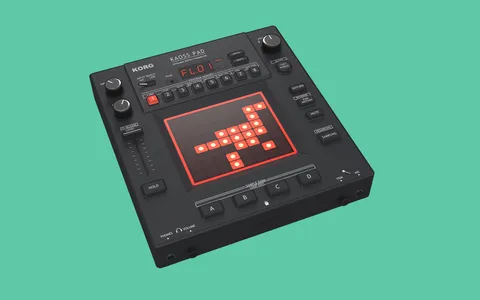
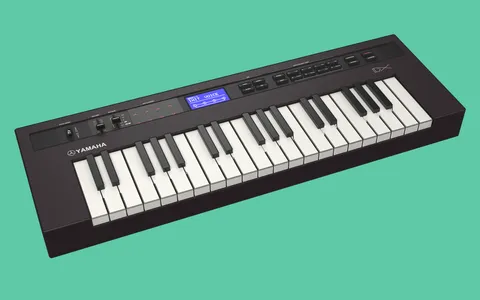
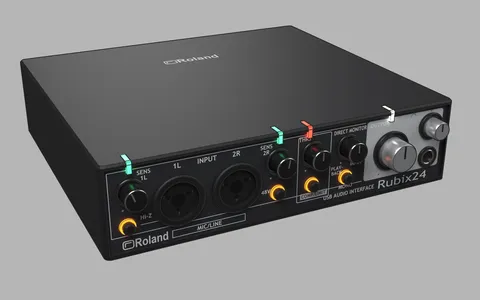
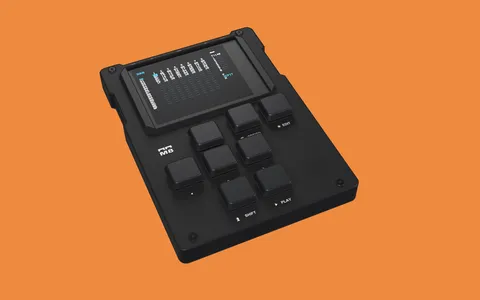
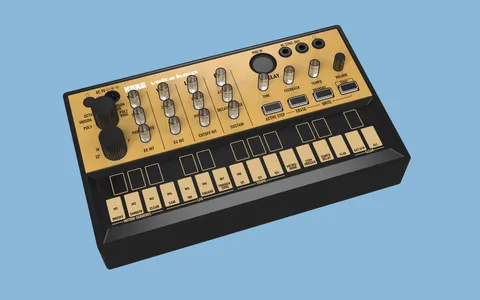
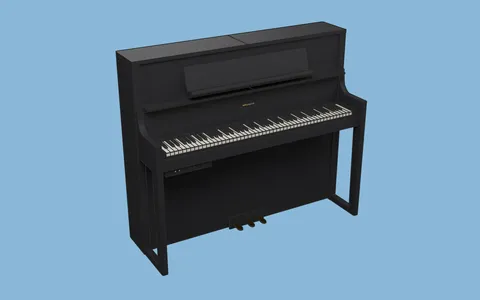
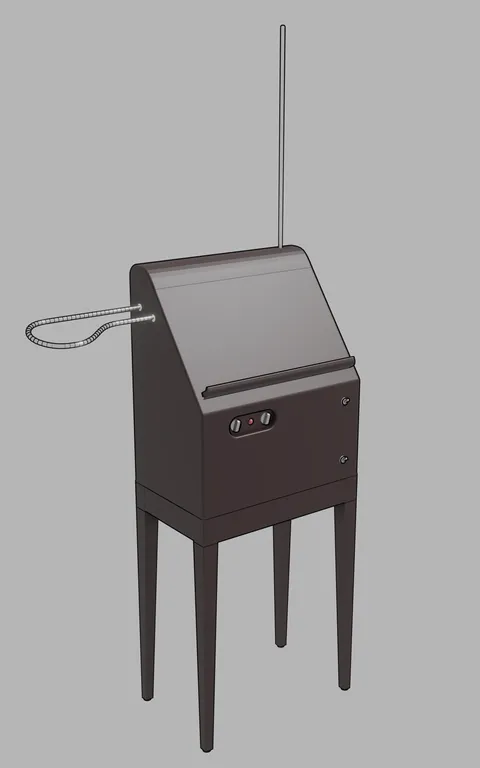
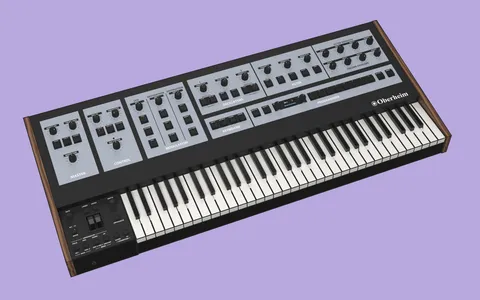
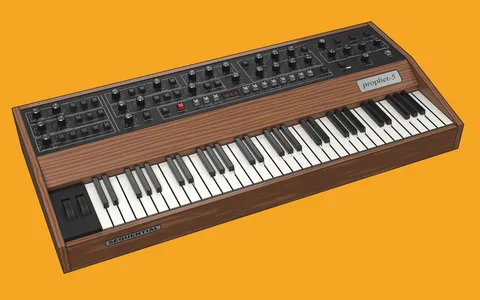
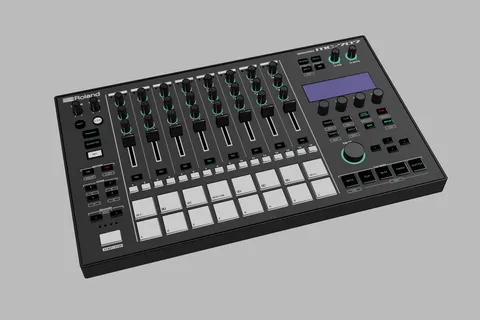
Every electronic instrument in DEKIAI is a real model. The author makes no compromises in drawing them: most were built from scratch as 3DCG models from their specifications before being drawn.

POINT 03

A guide and a story in one

Episode by episode, DEKIAI follows the history of electronic instruments, showing how they work and what they changed. Read it and you will have an overview of their history and kinds. And yet it is more than an explainer: at its heart is the story of its protagonist growing up.

What does “DEKIAI” mean?

It is a play on three Japanese words: denshi gakki ai, love of electronic instruments; dekiai, doting love; and dekiai, ready-made, because the story talks about instruments that already exist.

The subtitle Transmit! comes from 伝え! (tsutae), which means both passing something on to the next generation and sending a signal. The English word transmit means both, too.

Characters

The Electronic Instrument Society and friends

Kohaku Mitsueda’s face

First-year · the protagonist

Kohaku Mitsueda三枝 琥珀

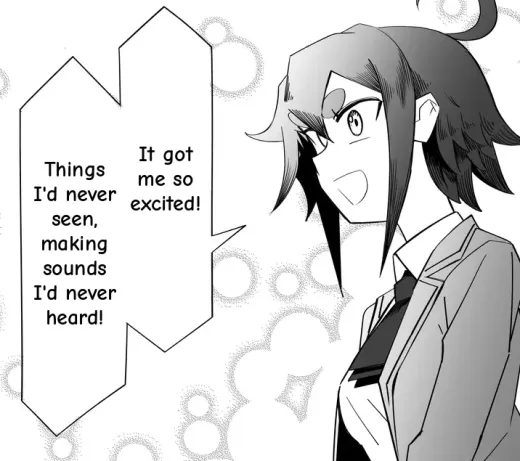
Loves science, thanks to her dad, who works for an electronics maker. She took piano lessons from her mother as a child, but gave them up.

Ikune Kakehashi’s face

Second-year

Ikune Kakehashi桟 郁音

President of the Electronic Instrument Society. Loves electronic instruments. Looks great, but her one flaw is that she can't be bothered with anything.
Teru Kikumoto’s face

First-year

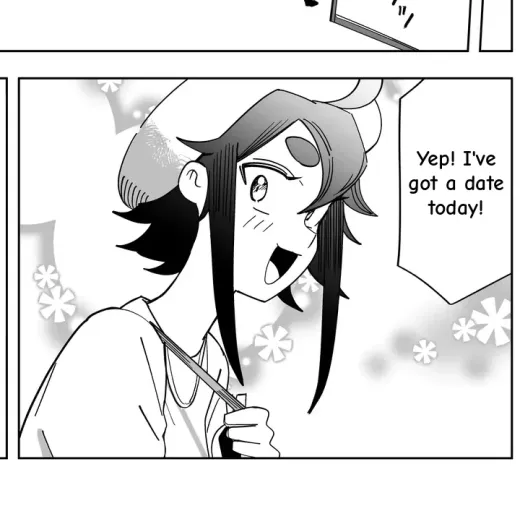
Teru Kikumoto喜久本 照

Kohaku's classmate. Loves making things, especially electronics. Has a huge appetite and is always sneaking snacks.

Isao Noriyasu’s face

Second-year

Isao Noriyasu則安 沙緒

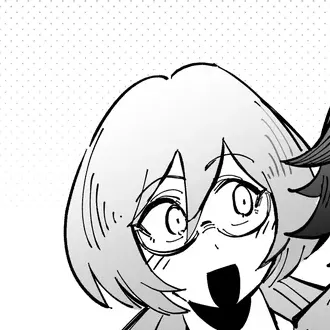
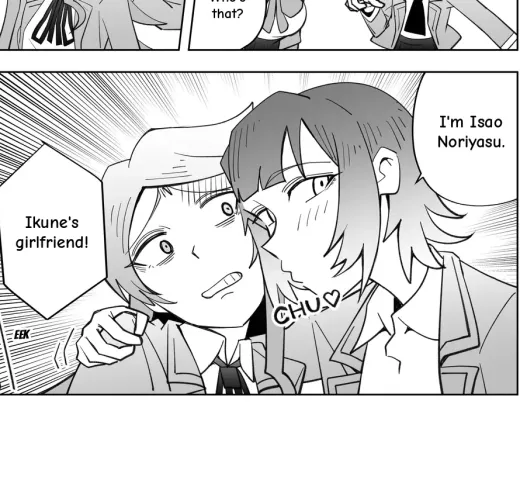
Loves music and plays in the light music club. She's into minimal music, so nobody in her club shares her taste. A great guitarist who looks out for others.

Ginko Kuroda’s face

Second-year

Ginko Kuroda黒田 銀子

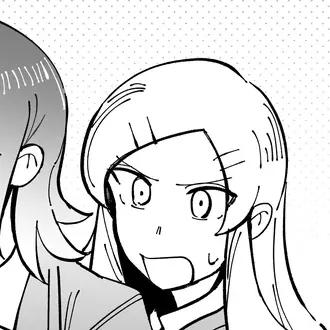
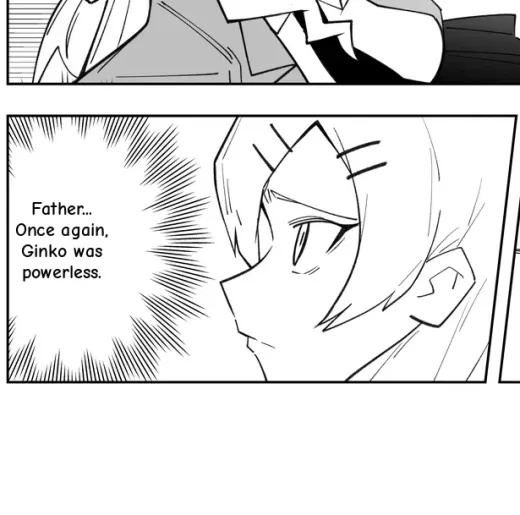
Assistant to the student council president, and determined to be number one. Rich: she gets no allowance, but has a credit card she may use as she likes.

Signal chain

The story in 11 episodes

Each episode is a “SIGNAL”. Every subtitle is a homage to a classic of electronic music; the author explains each one in their notes. You can find the original songs on the songs behind the titles.

SIGNAL 01

Switched-On Kohaku

スイッチト・オン・コハク

Kohaku Mitsueda has just started high school. At the club fair after the entrance ceremony, the Electronic Instrument Society catches her eye. Visiting its club room, she meets Ikune Kakehashi, a girl who loves electronic instruments more than anything.

SIGNAL 02

Amberflakes Are Dancing

アンバーフレークス・アー・ダンシング

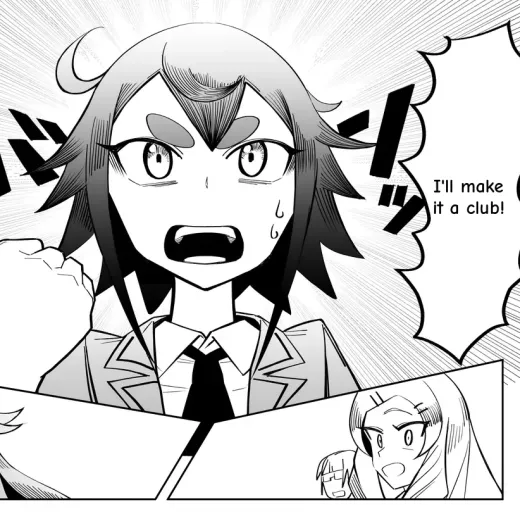
Swept along, Kohaku ends up joining the Electronic Instrument Society, only for the student council to order it out of its club room. Seeing Ikune so downcast, Kohaku impulsively sets out to restore the society to a full club, so it has every right to keep the room.

SIGNAL 03

The Kohaku-Machine

琥珀解体

To make the society a club, Kohaku goes looking for new members. With nobody suitable in sight, she sets her sights on her classmate Teru Kikumoto, who loves building electronics. Teru cares nothing for music or instruments, so Kohaku tries to win her over by showing her just how deep electronic instruments go.

SIGNAL 04

Kohaku's Acid Tracks

コハクノ・アシッド・トラックス

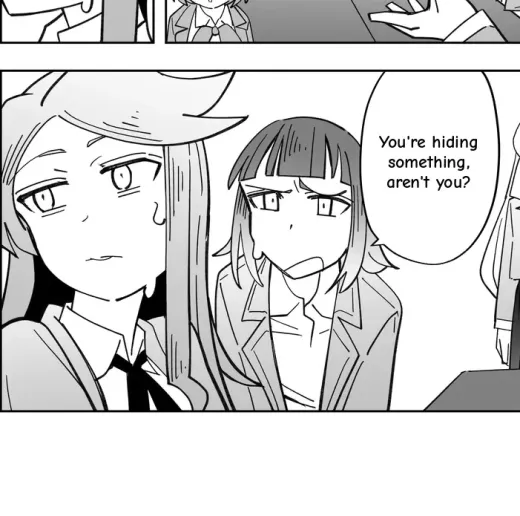
The members still aren't coming, yet Ikune happily goes on and on about electronic instruments. Amid the worry, Kohaku's past and her feelings slowly come into view. And a new figure is closing in on the seemingly calm Electronic Instrument Society.
SIGNAL 05

She's Got To Help Herself

シーズ・ゴット・トゥ・ヘルプ・ハーセルフ

Out of nowhere, Isao Noriyasu shows up claiming to be Ikune's girlfriend. The member hunt is at a dead end, Isao's arrival throws Kohaku into confusion, and one careless remark from Ikune makes her explode.

SIGNAL 06

Amber Of Pacific State

アンバー・オブ・パシフィック・ステイト

The society is closer than ever, and things seem to be going well. But pressure from the student council president is mounting by the minute. Caught in the middle and fighting alone is Ginko Kuroda. What does Kohaku see in Ginko?

SIGNAL 07

Kohaku Kogen

琥珀高原

Having taken a fresh look at herself through the Electronic Instrument Society, Ginko takes action. Meanwhile, Kohaku and the others are steadily restoring an electronic instrument listed as an Essential Historical Material for Science and Technology, to meet the conditions for the society to become a club.

SIGNAL 08

Kohaku's Dream End Come True

コハクズ・ドリーム・エンド・カム・トゥルー

The student council president makes her intentions plain to Kohaku. Having played no real part, Kohaku asks herself what she is even doing in the Electronic Instrument Society.

SIGNAL 09

Starry Sky With Amber Eyes

スターリー・スカイ・ウィズ・アンバーアイズ

Kohaku and the others put their heads together to tackle the problems the student council president pointed out. A piece of information Ikune reluctantly lets slip shows a ray of hope. Once again, the society's fate rests squarely on Kohaku's shoulders.

SIGNAL 10

Finder

ファインダー(kohaku’s “Finder Is Never Desktop Experience Remix”)

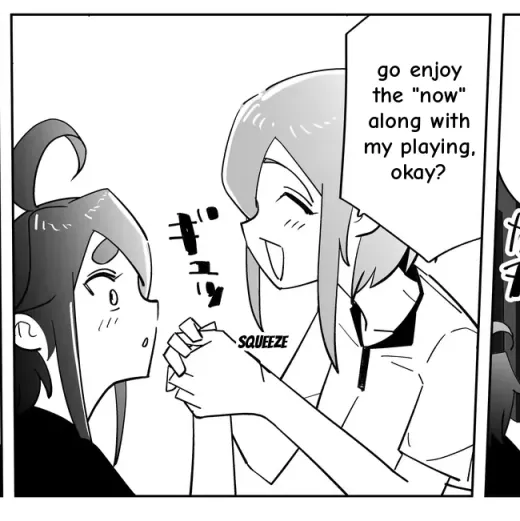
Kohaku works toward a live show at the school festival. To play, she must get past her own bitter past, and that means facing her younger sister. Kohaku does what Ikune could not do at the entrance ceremony: she looks ahead and steps up onto the stage.

SIGNAL 11

AMBER

コハク

The festival show is over. The Electronic Instrument Society stood out a little too much, and is slowly getting caught up in the plans of adults. Unaware, Kohaku and the others enjoy a brief stretch of everyday life.
Instruments

The electronic instruments

Every instrument in the story is a real model. The author built 3DCG models from their specs to draw them.

English edition

About this English edition

DEKIAI was first published in Japanese. In this edition the dialogue is lettered in English inside the balloons. Sound effects keep their original Japanese, with a small English version beside them. Japanese manga read from right to left, and so does this one: turn the pages to the left.
The English translation and lettering were made with the help of AI. The original Japanese pages are one tap away with the JA button in the reader. If you spot a mistake, please let the author know.

Nanika Sheila’s icon
Author

Nanika Sheila

Good morning. I’m Nanika Sheila.

For twenty years I have drifted on the sea of the internet like a jellyfish, dabbling in programming, computer music, electronics, illustration, history, 3DCG and more. DEKIAI is the manga drawn by this desk-bound vagabond.

Support

Send your thoughts and support

Reactions, shares and fan letters give the author the energy to draw the next work. If you enjoyed it, support on Ko-fi or Skeb is very welcome too.

Kohaku and Ikune patching a modular synthesizer
Credits

With thanks

In writing DEKIAI, the electronic instrument makers Roland Corporation, KORG Inc., Yamaha Corporation and Sony Corporation kindly helped check product information and specifications.

  • Roland
  • KORG
  • YAMAHA
  • SONY

Responsibility for the content of this work (explanations, opinions and so on) rests solely with the author; none of these companies officially guarantees or endorses it. Company and product names are generally trademarks or registered trademarks of their respective owners. ™ and ® marks may be omitted, with no intention of infringing any rights.